Faculty Initiatives on Teaching & Learning
A student-centric, outcome-based and blended teaching-learning approach aligned with NAAC Criterion II
Siva Sivani Institute of Management (SSIM) adopts a student-centric, outcome-based and blended teaching-learning approach aligned with NAAC Criterion II. Faculty continuously integrate innovative pedagogy, ICT tools, experiential learning and global exposure to ensure holistic student development.
Digital pedagogy
ICT-Enabled Teaching and Digital Learning
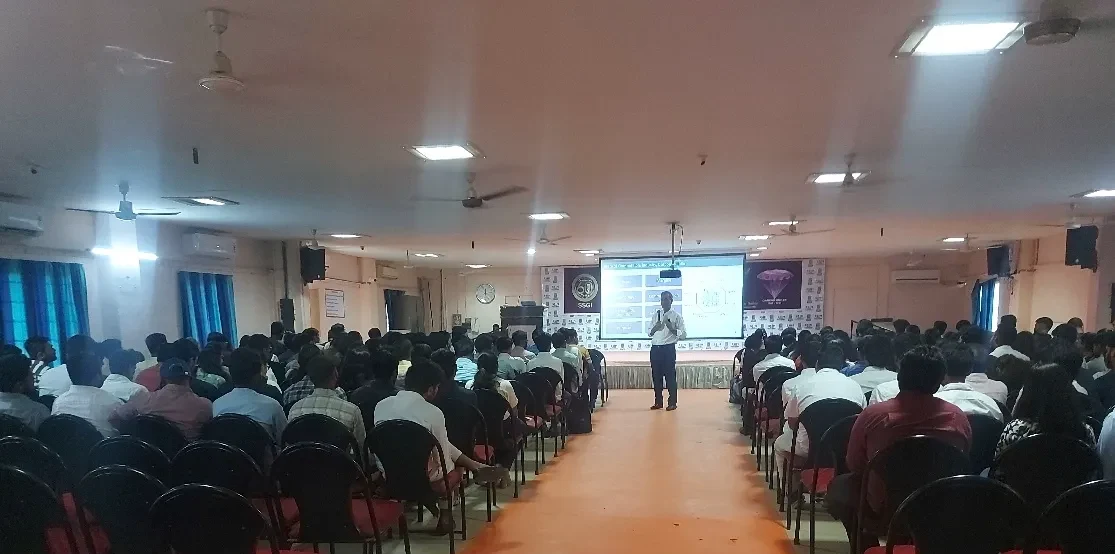
SSIM classrooms integrate ICT-enabled teaching and digital learning practices to enhance the quality of education. Faculty members utilise Learning Management Systems (LMS), smart classrooms and digital collaboration tools to deliver course content, facilitate discussions and conduct continuous assessments. E-resources such as online case repositories, simulation platforms, video lectures and MOOCs are incorporated into the curriculum to promote self-directed and blended learning. Online quizzes and interactive platforms are used to track student progress.
This ICT integration improves accessibility and engagement, and equips students with the digital competencies essential for an evolving industry landscape.
Tools and methods in regular use
- PowerPoint presentations
- Video-based learning
- Recorded lectures
- Online platforms (SWAYAM, MOOCs, YouTube, Podcasts)
Learning by doing
Experiential Learning and Industry Interface
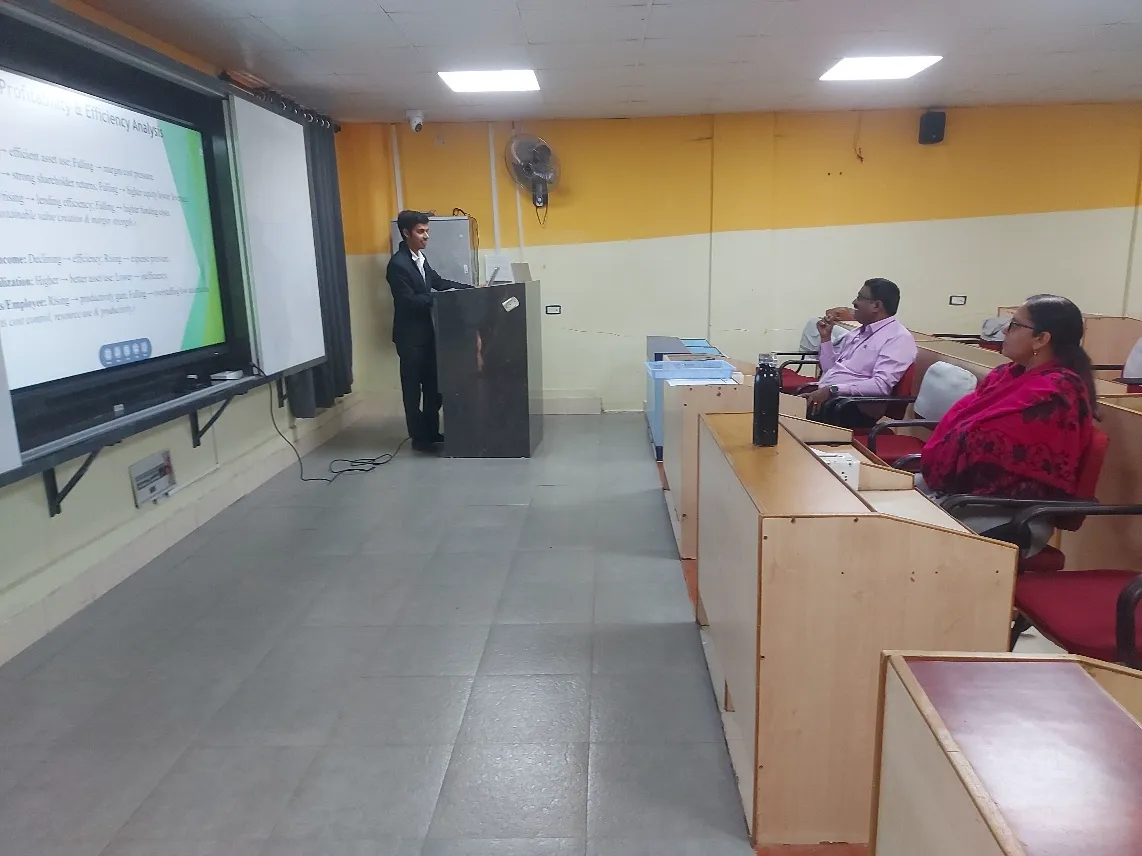
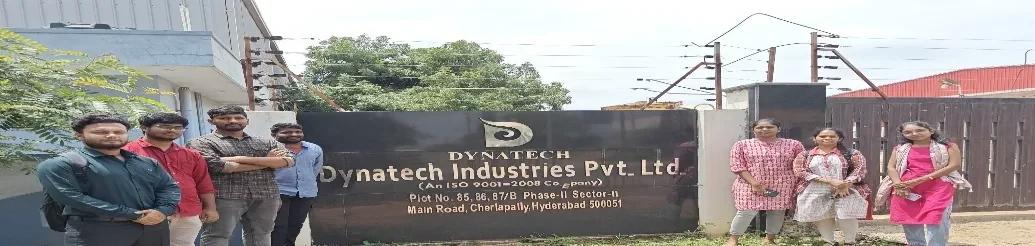
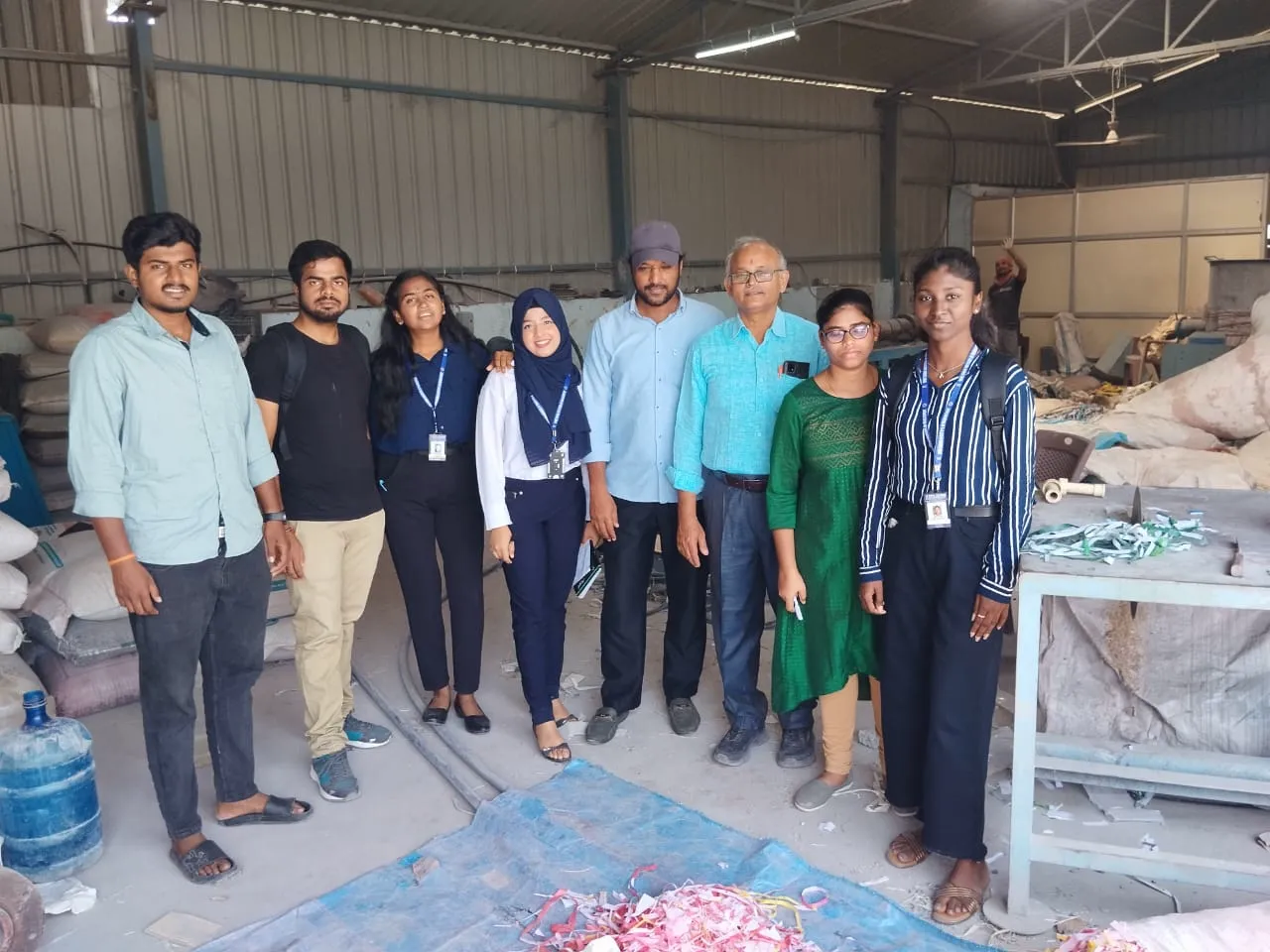
The institute emphasises learning by doing through corporate interviews, industry interaction, field visits and business simulations. Students gain exposure to real-world business environments, enhancing their practical understanding and analytical skills.
From Term 01, the programme integrates structured experiential learning to ensure outcome-based education. Students are engaged in simulation-based exercises, role-plays, case analyses and collaborative projects that mirror real-world managerial contexts. Mock interviews, business communication labs, group problem-solving tasks and field-based assignments are systematically mapped to Course Outcomes (COs) and Programme Outcomes (POs), with defined rubrics for assessment. Reflective learning is emphasised through journals and feedback sessions, enabling students to critically evaluate their performance and learning progression.
Key learning outcomes
- Professional communication skills
- Teamwork and interpersonal effectiveness
- Critical thinking
- Decision-making in uncertain environments
Eclectic pedagogy
Communication and Soft Skills Development
SSIM adopts an eclectic pedagogy to make the teaching and learning process more effective and engaging. The Communication Department uses innovative methods such as role plays, corporate interviews and video resumes, alongside JAM sessions, group discussions, mock interviews and mock meetings.
Students are also encouraged to
- Maintain professional profiles on LinkedIn
- Write blogs on contemporary issues
- Engage in digital discussions
- Build awareness of cyber fraud on social platforms
The department prepares students for internships and placements by enhancing their soft skills; keeps learning in communication relevant to the dynamics of societal change; and prepares students to be adaptive, empathetic, assertive and smart communicators in a world where AI manages much of routine communication. These initiatives develop confidence, articulation and employability skills.
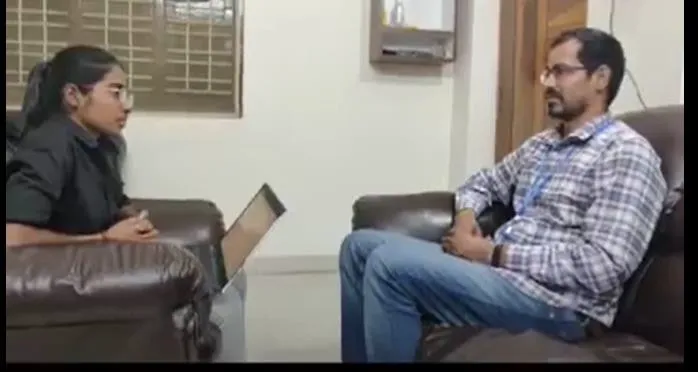
Role Play
Role play is a structured experiential learning activity integrated into the curriculum to simulate real-world business and communication scenarios. Students participate in negotiations, client interactions, group discussions and conflict resolution exercises, applying theoretical concepts in practice. These activities are evaluated through predefined rubrics focusing on communication effectiveness, teamwork, problem-solving and adaptability.
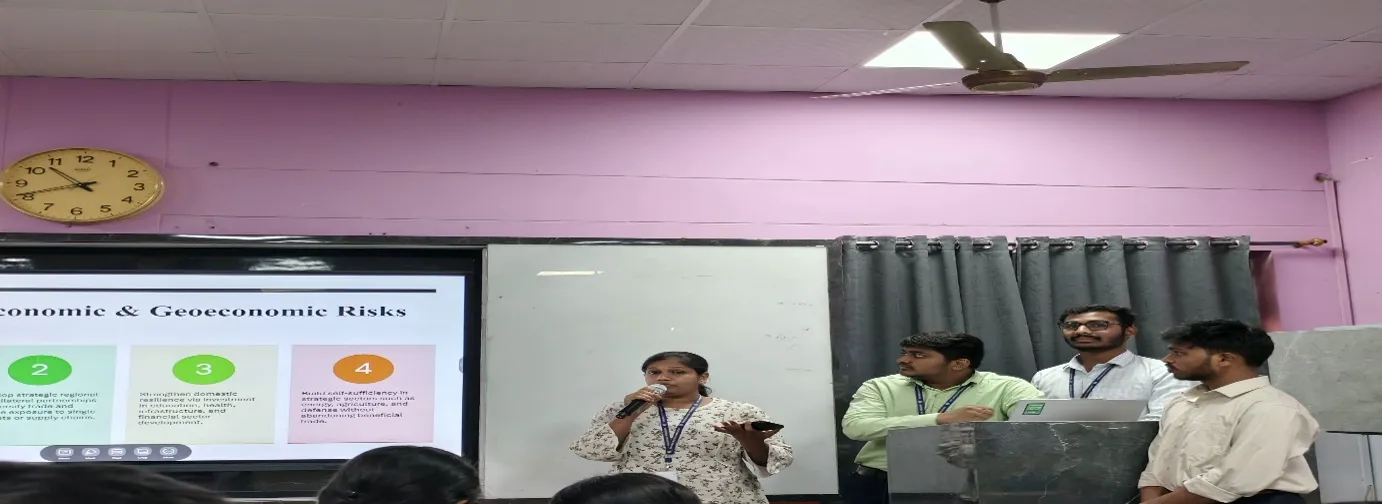
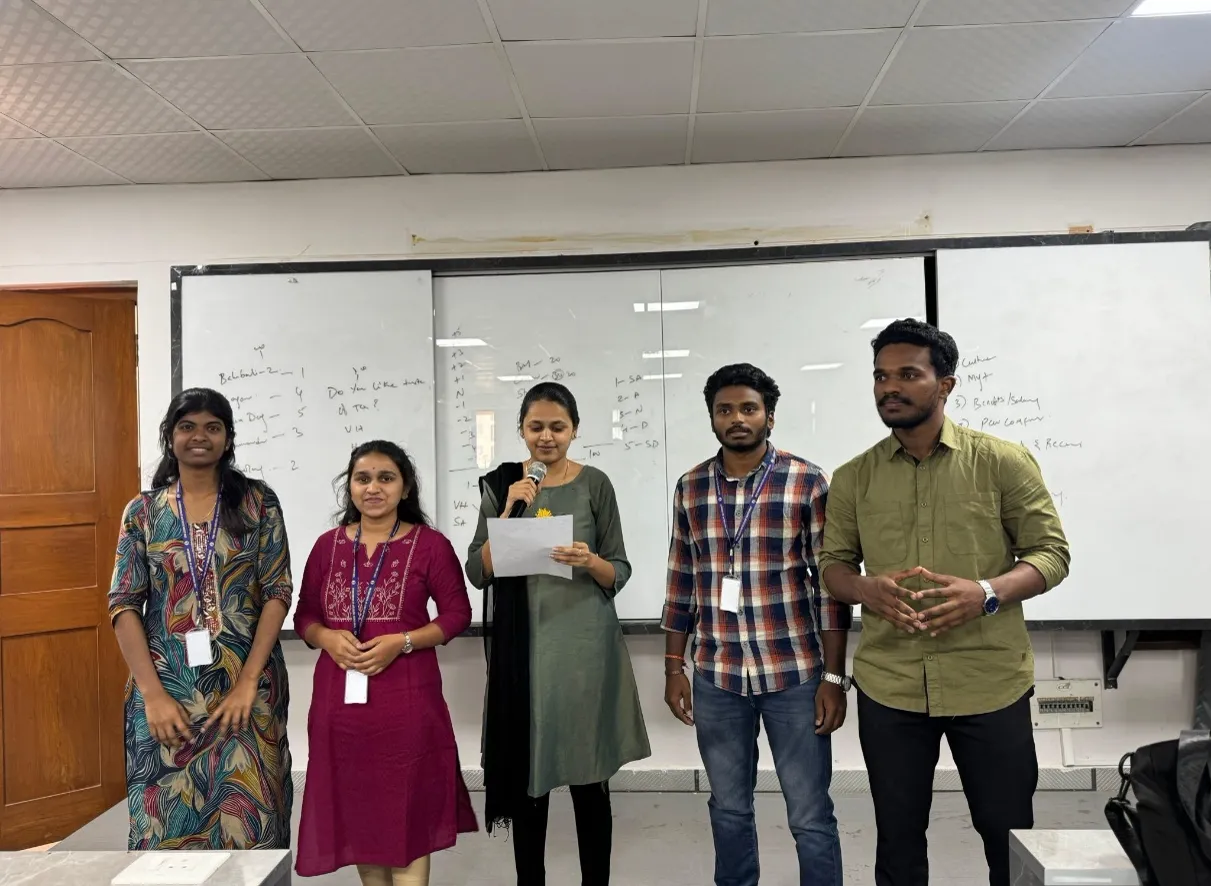
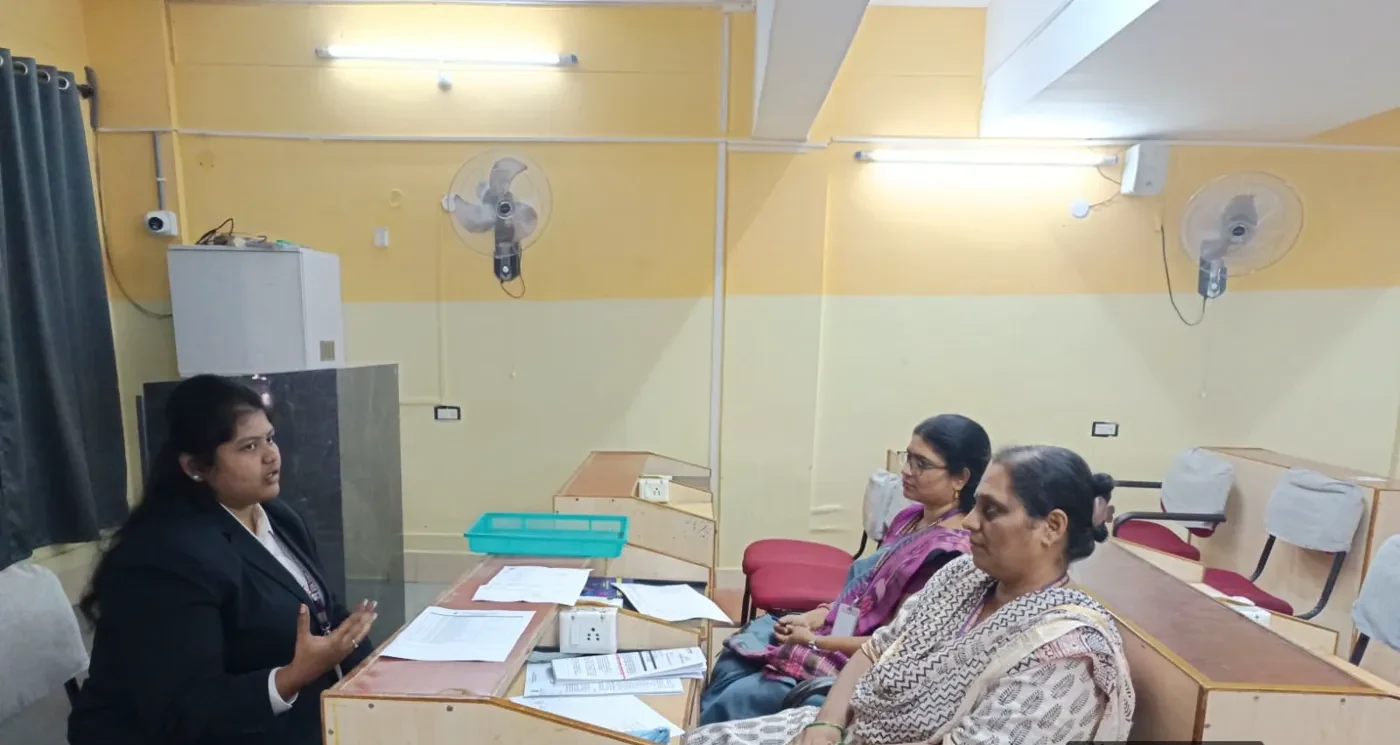
Mock Personal Interviews (Mock PI)
Mock Personal Interviews are conducted as part of career readiness and industry interface initiatives. Students undergo simulated interview sessions that replicate real corporate hiring environments, followed by structured feedback from faculty and industry experts. Evaluation focuses on communication clarity, confidence, domain knowledge and professional etiquette, improving interview preparedness and employability outcomes.
Global competence
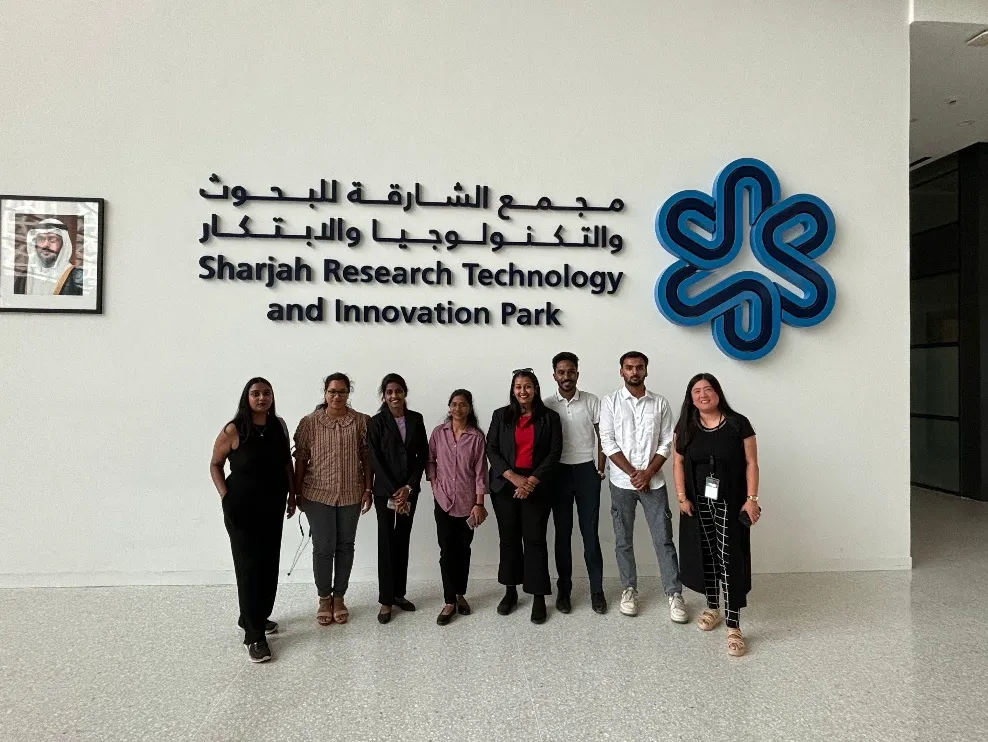
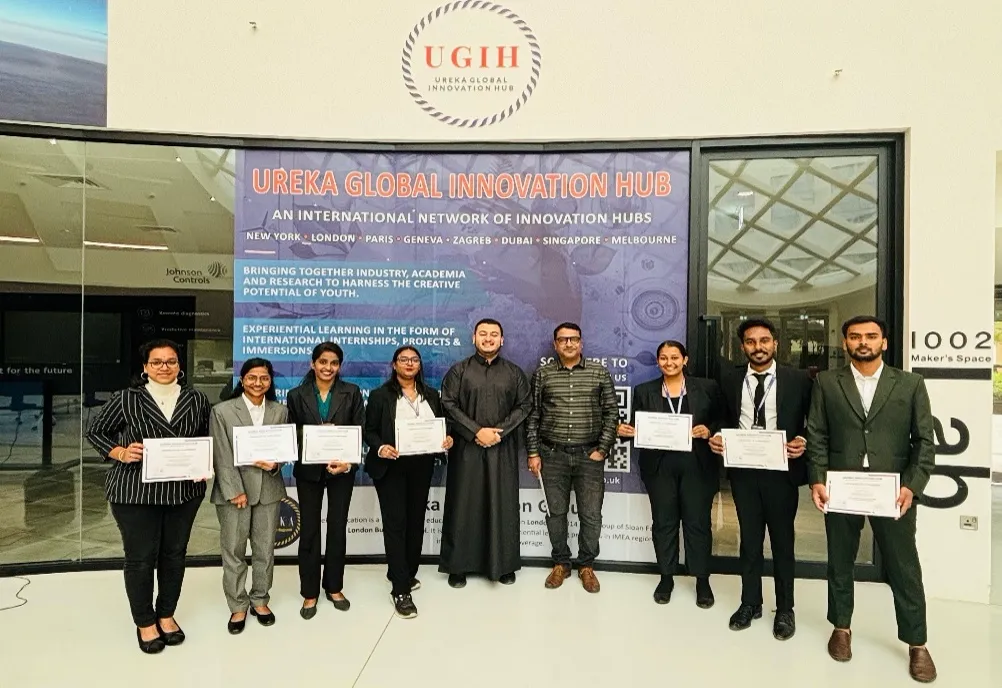
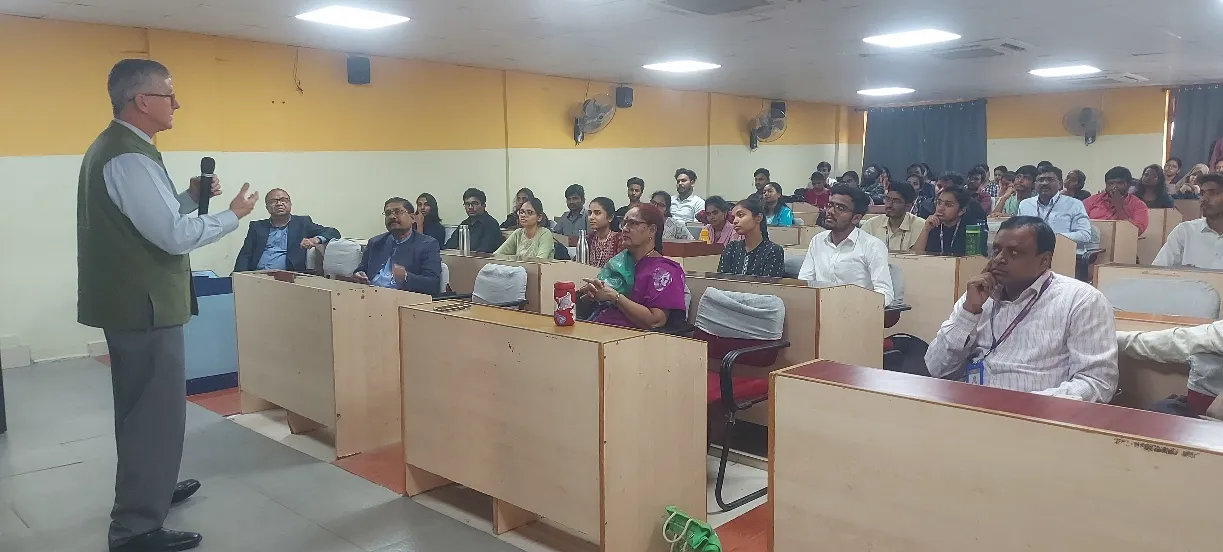
Global and Cross-Cultural Learning
To enhance global competence, students engage in
- Interaction with international students and professionals
- Cross-cultural communication exercises
- Analysis of global workplace practices
Students are trained in cross-cultural and intercultural communication. To apply these concepts, they network directly with international students and working professionals, gather information on cross-cultural training in other countries, learn the art of observation, and understand cultural differences. They become empathetic listeners, gathering effective clues towards resolving cross-cultural conflicts, and thought leaders able to express informed views on global issues.
Simulation-based learning
Mock United Nations and Business Simulations
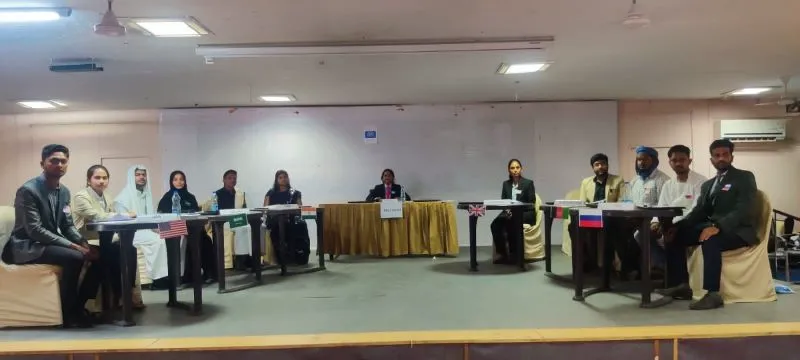
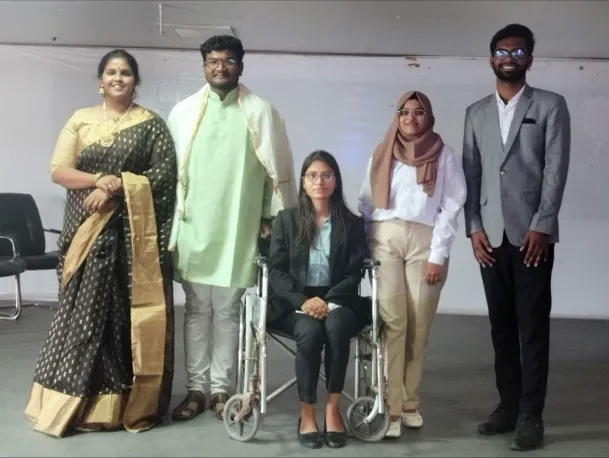
Mock United Nations (MUN)
Students play the role of global leaders and social activists and debate issues relevant to a country or to the wider global scenario. Through these sessions they are exposed to sustainability and the United Nations Sustainable Development Goals, and to a country's participation and performance against those goals. This helps them argue their points and make justified claims towards a hypothetical UN fund, learning to negotiate, persuade and communicate assertively.
- Negotiation skills
- Critical thinking
- Policy understanding
Business Simulation Workshops
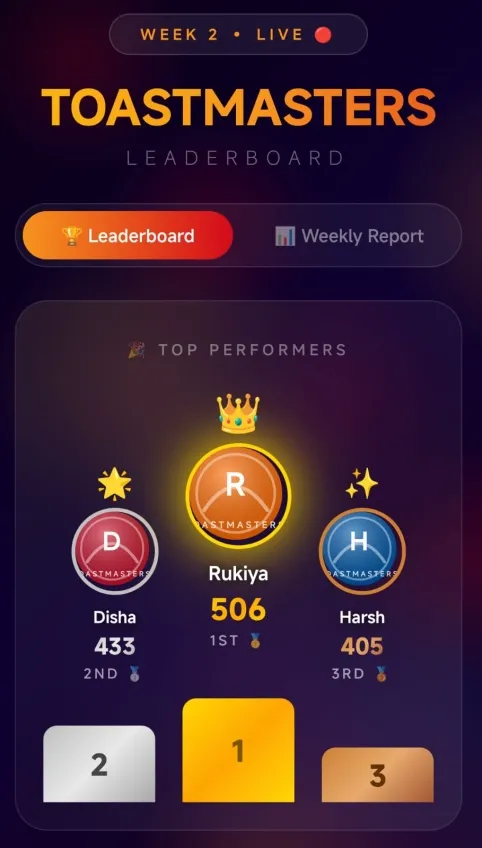
Students participate in
- Idea generation
- Concept testing
- Business plan development
These workshops strengthen entrepreneurial and strategic skills.
Community-based learning
Social Engagement and Community-Based Learning
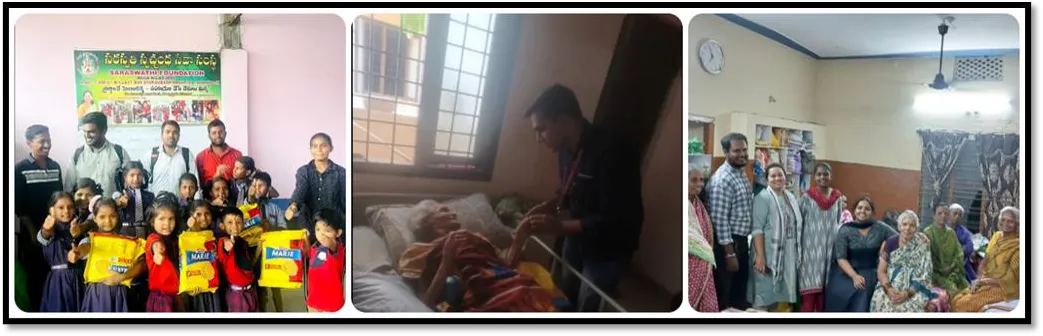
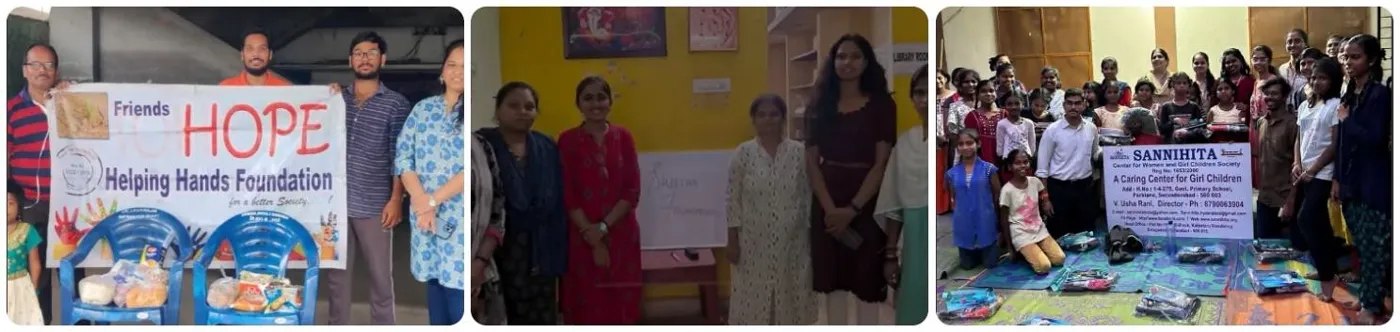
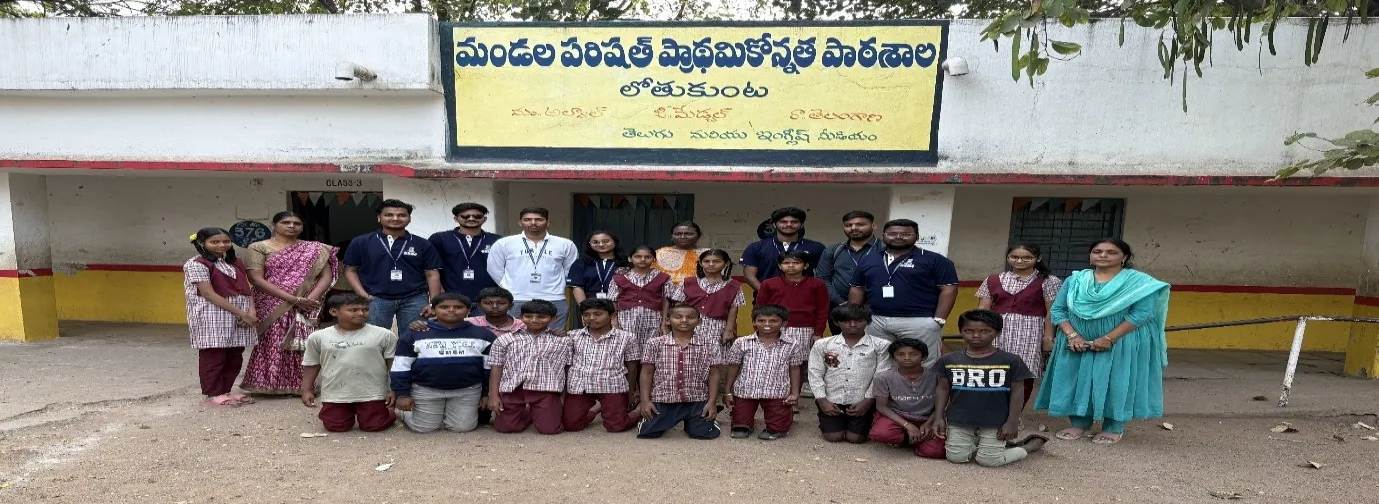
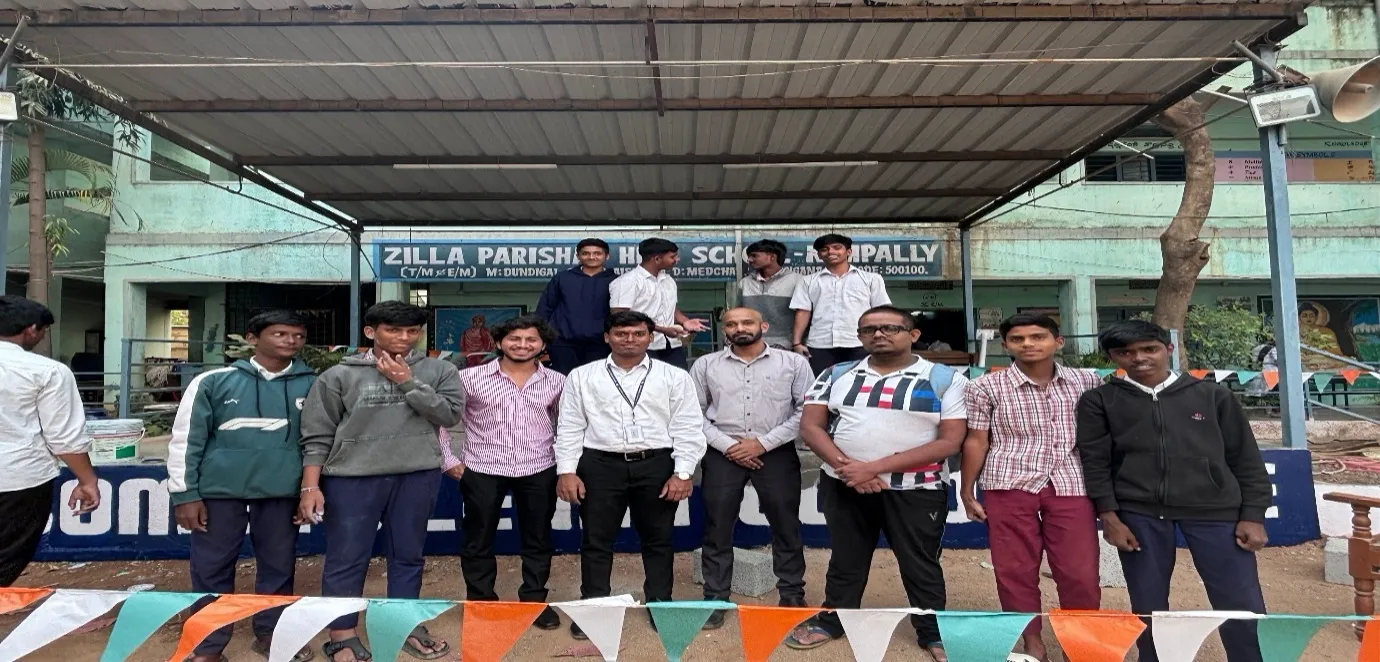
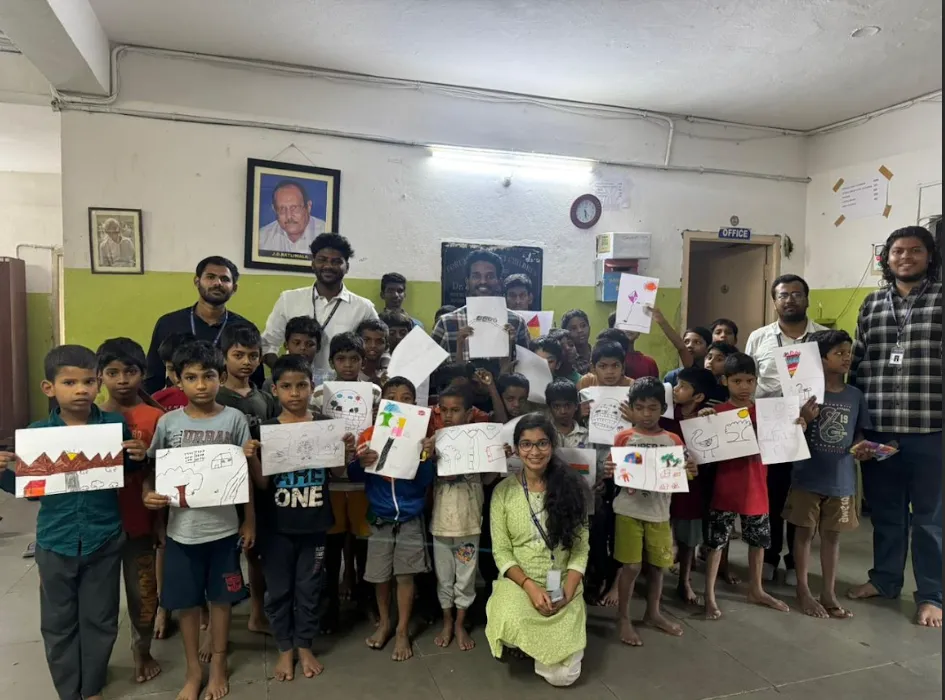
As part of the persuasion exercise, students form small groups and approach social change agents and NGOs to take their causes forward. They must persuade the NGO to engage with the cause beyond a photo-opportunity, then listen critically to understand its requirements. Students plan their approach, identify target groups and mobilise both funds and commodities — without drawing on their own pocket money or approaching family, friends and acquaintances.
Students participate in
- NGO collaboration and persuasion exercises
- Resource mobilisation projects
- Community visits, including to orphanages
This develops
- Leadership
- Social responsibility
- Project management skills
Creative and reflective practice
Emulating Leaders and the Art of Storytelling
Emulating Leaders
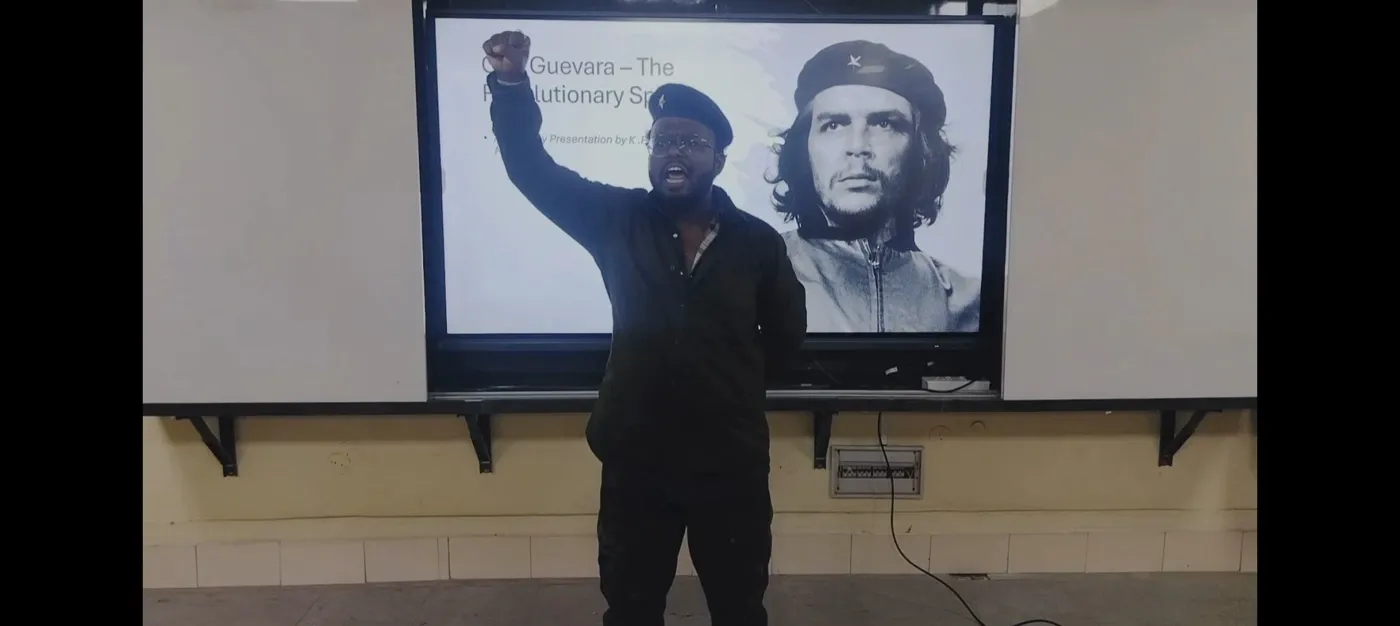
Students analyse leadership communication styles to enhance critical thinking and self-development. They observe leaders critically, emulate their communication styles and patterns, evaluate the strengths and weaknesses of those styles, and refine their own communication to become better leaders. This improves logical reasoning, critical analysis and self-development, leading towards continuous lifelong learning.

The Art of Storytelling
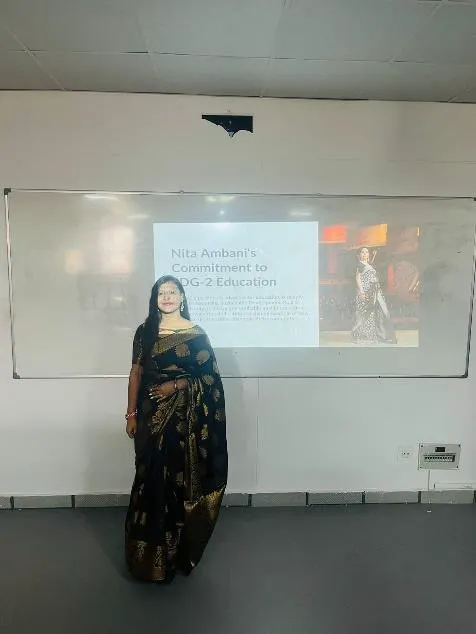
Students develop stories based on concepts learned during their management courses and deliver them to teach a general audience and build social awareness on contemporary issues such as cryptocurrency, risk management, insurance, fintech and digital analytics. They learn story creation, narration and delivery, the use of technical tools to produce video stories, and how to explain difficult management concepts to society at large.
This improves
- Creativity
- Communication
- Concept retention
Outbound training
Outbound Training (OBT)
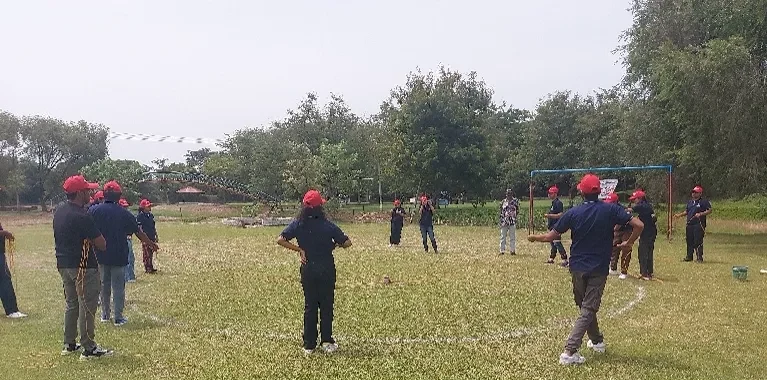
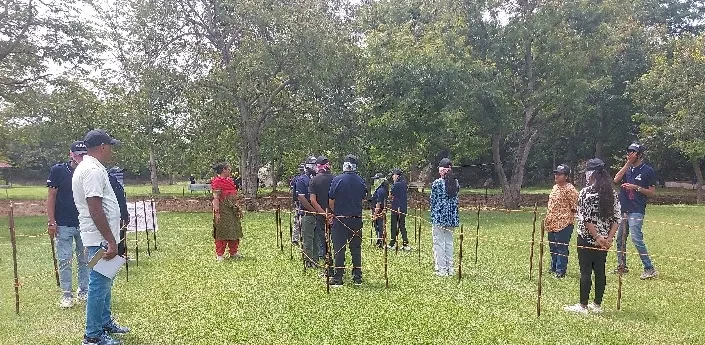
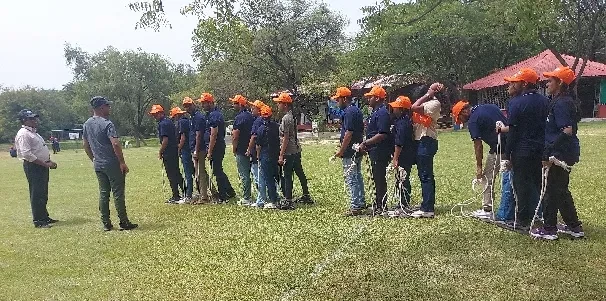
Outbound Training programmes provide experiential learning through
- Team-building activities
- Problem-solving tasks
- Physical and group challenges
These enhance
- Leadership
- Collaboration
- Decision-making skills
Innovative instruction
Innovative Instructional Methods
YouTube video lectures
Some faculty members record their classroom lectures and make them available to students, who can replay them whenever a concept is not fully clear.
Subject blogs
Faculty members maintain their own blogs and post the latest developments relating to their topics that are not normally covered in a structured syllabus, which interested students can use to extend their knowledge.
Debates
As part of the managerial communication course, students debate management and business topics — developing critical thinking, the ability to communicate ideas effectively, and leadership through building persuasive arguments as a team.
Other methods
Faculty also use role plays, stress management exercises, video resume creation, podcasts and digital lectures.
Online learning resources
Integration of Online Learning Resources (NPTEL)
NPTEL (National Programme on Technology Enhanced Learning) videos on management are used in the classroom — SSIM is an authorised chapter representing IIT Roorkee, and several faculty members screen and reference NPTEL content in their courses.
| Sl. No | Topic | Link |
|---|---|---|
| 1 | Entrepreneurship — Introductory video | View on NPTEL |
| 2 | Financial Accounting | View on NPTEL |
| 3 | Introduction to Cost Accounting | View on NPTEL |
| 4 | Financial Derivatives and Risk Management | View on NPTEL |
| 5 | Introduction to Financial System | View on NPTEL |
| 6 | Principles of Human Resource Management | View on NPTEL |
| 7 | Marketing Management – I | View on NPTEL |
| 8 | Marketing Management – II | View on NPTEL |
| 9 | Organizational Behaviour | View on NPTEL |
| 10 | Total Quality Management - I | View on NPTEL |
| 11 | Security Analysis and Portfolio Management | View on NPTEL |
Courses also delivered through NPTEL and SWAYAM
- Entrepreneurship — NPTEL
- Financial Accounting — NPTEL
- HR Management — SWAYAM
- Marketing Management — NPTEL
- Organizational Behaviour — NPTEL
SSIM's teaching-learning practices reflect a comprehensive, innovative and outcome-oriented ecosystem aligned with NAAC standards. The integration of ICT tools, experiential learning, global exposure, communication training and social engagement ensures the development of competent, confident and socially responsible management professionals.
